1919 – 2022
Biography
1919 – 2022
Biography
A unique voice, a lifetime on the European stage.
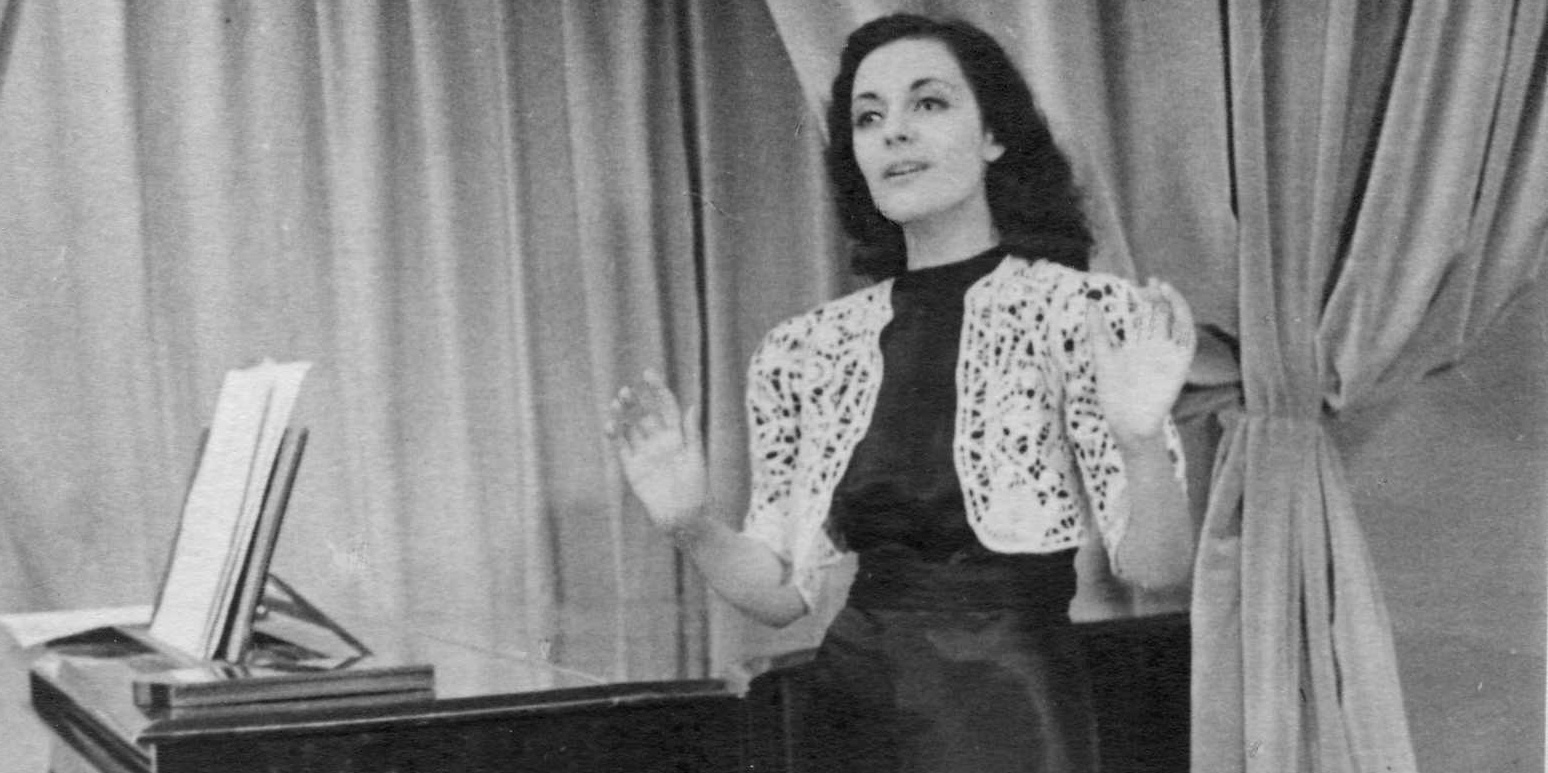
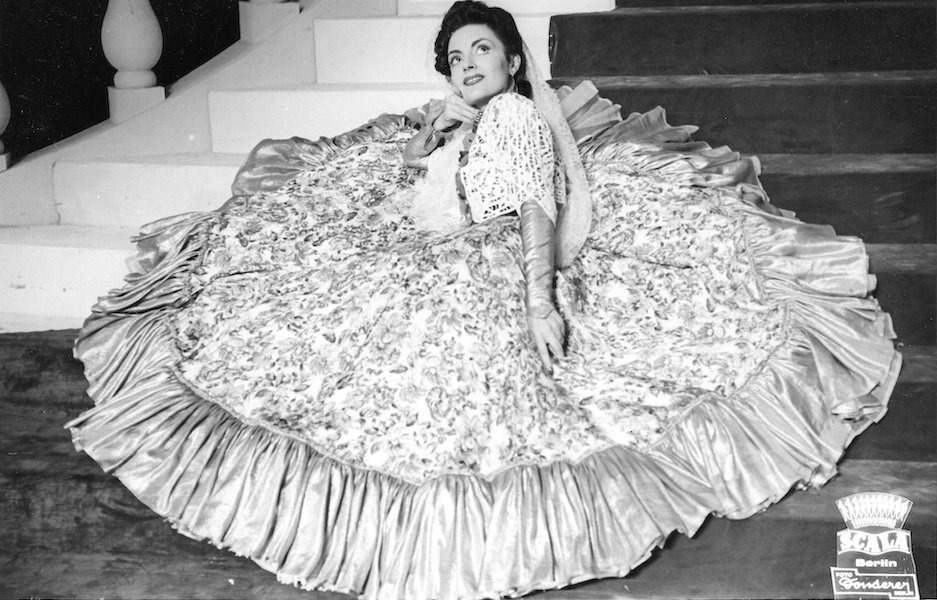
Lia Origoni was an internationally recognised figure in the world of music and entertainment, celebrated as one of the most talented voices of her time. An artist with a delicate yet incisive voice, she combined extraordinary vocal technique with remarkable interpretative depth, building a repertoire ranging from folk and ancient music to classical, romantic, modern and contemporary song. But her versatility was not limited to music alone. Theatre, variety shows, television: Lia perfectly embodied the image of the twentieth-century diva, with a career that took her to the most prestigious stages in the world, including the Rome Opera House, La Scala in Milan, the Wintergarten in Berlin and the Moulin Rouge, to name but a few. Throughout her career she collaborated with legends such as Totò, Anna Magnani, Tito Schipa, Piero Umiliani and Ennio Morricone, alongside a long list of artists who shaped the history of entertainment. As noted by Gian Carlo Tusceri in the biography dedicated to her, the "violetera of the Berlin Scala" traversed the entire twentieth century, transcending the limits of her time and continuing to astonish with her incredible energy and exuberance well into the following century.
Milestones
A life on stage
1919 – 1938
Early years and debut
Born on 20 October 1919, Lia grew up in a family with a deep inclination for the arts, including her uncle Giacomino Origoni, one of the first actors of Italian silent cinema.
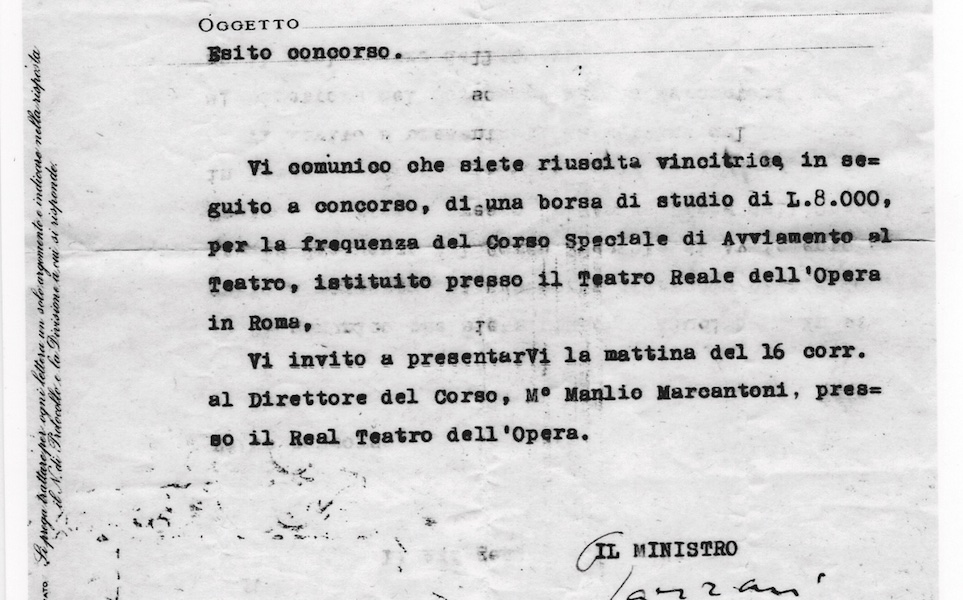
From an early age, Lia developed a passion for singing. In 1934, following a chance encounter with tenor Bernardo De Muro, she decided to abandon her violin studies and devote herself entirely to music. In 1938 she won a scholarship to the Teatro dell'Opera in Rome, thus beginning her musical career.
1939 – 1960
International career and experimental television
Lia Origoni was one of the first voices to emerge in experimental Italian television. In 1939, she signed her first contract with the Ente Italiano Audizioni Radiofoniche (today RAI), becoming the first Italian artist to take part in experimental television broadcasts — a milestone that marked a fundamental step in the development of television in Italy.
In the years that followed, Lia performed at the most prestigious theatres in Europe, collaborating with legends such as Totò, Anna Magnani and Macario. Her debut at the Teatro Valle in Rome in 1940, in the revue Quando meno te l'aspetti, was just the beginning of a career that took her to Berlin, Paris, Milan and beyond. In 1948 she signed a contract with RAI, where she dedicated herself to radio programmes focused on international folk music, consolidating her role as a cultural innovator and communicator.
2003 – 2022
Recognition and private life
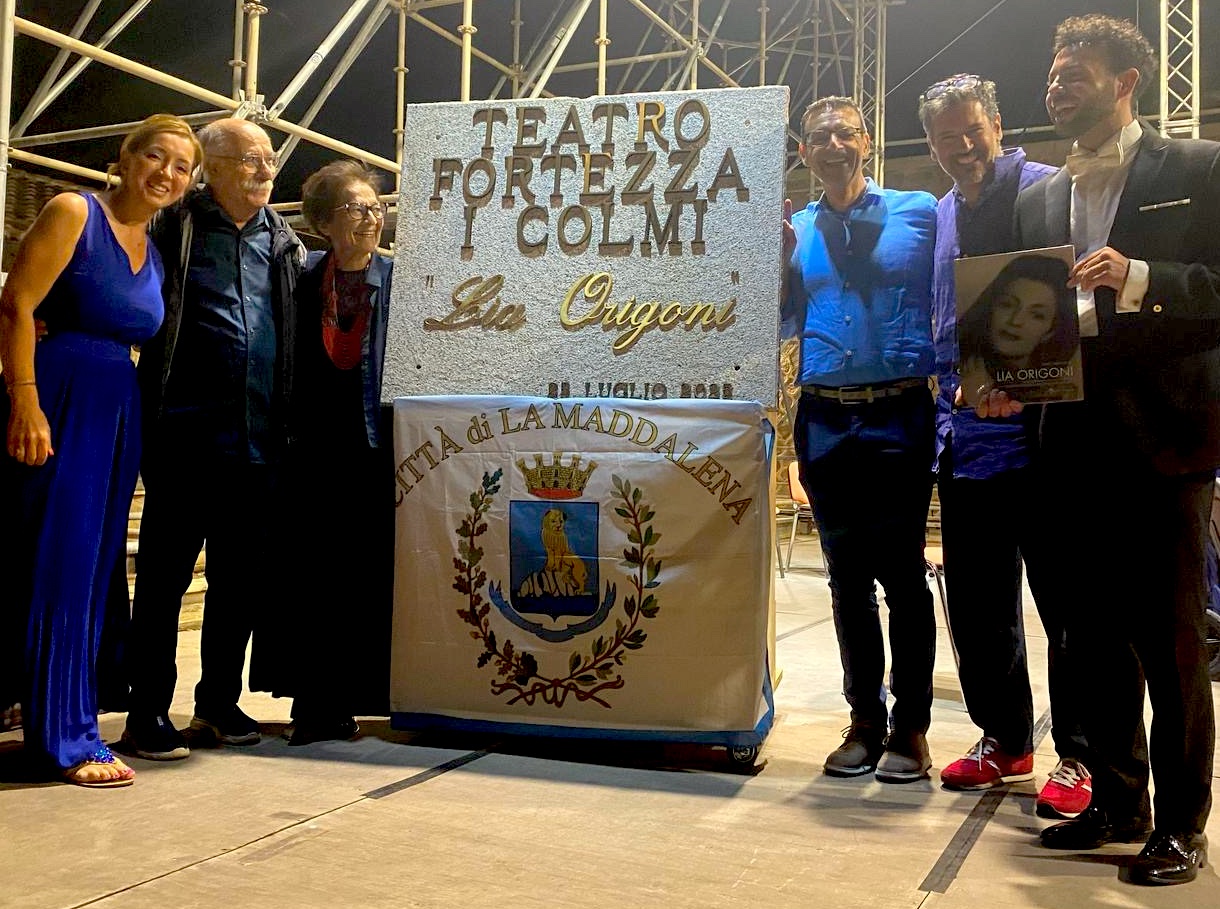
2022
Death and commemorations
The book
Discover her full story
Lia Origoni – Among the Legends of 20th-Century European Theatre
Request the book